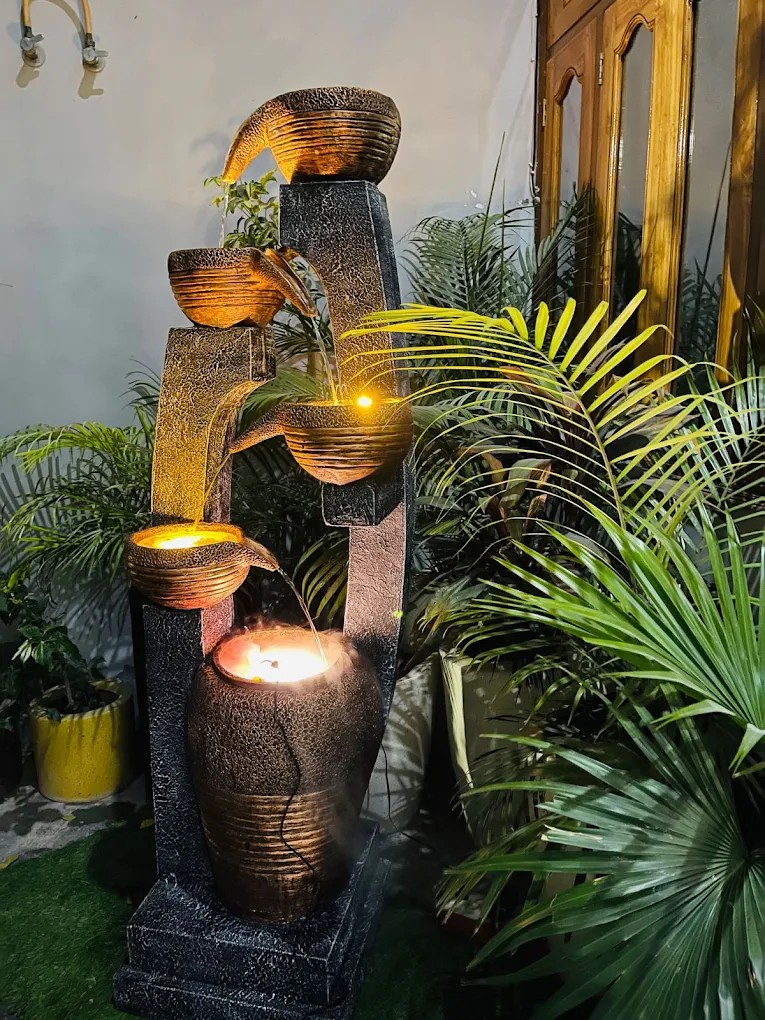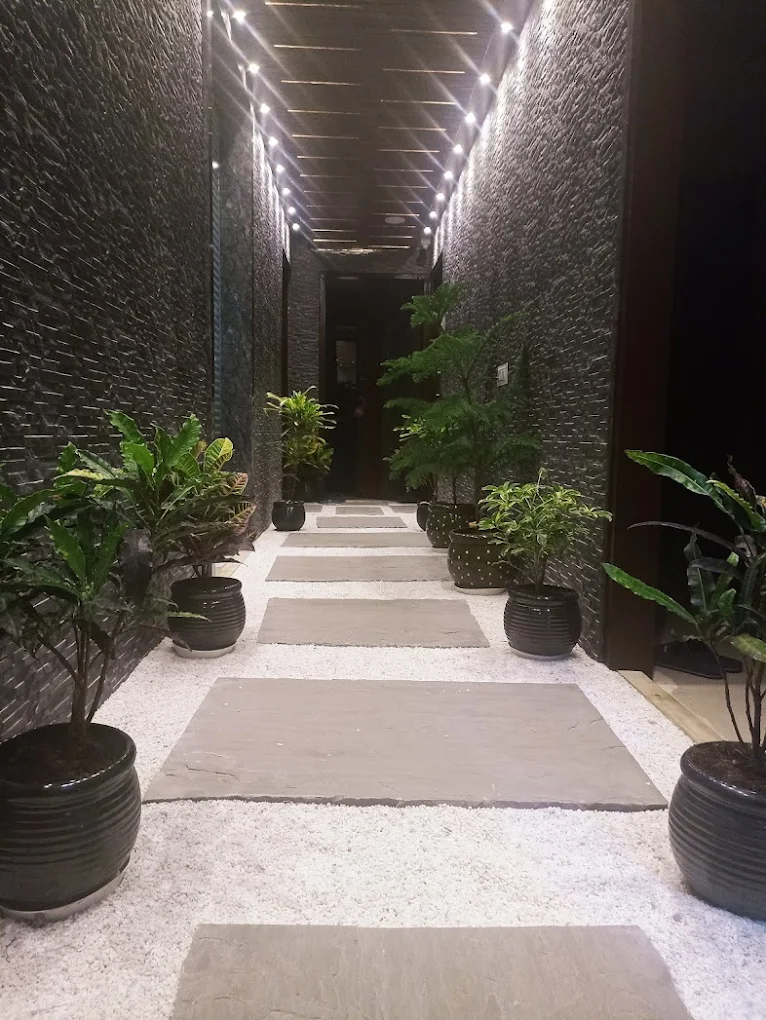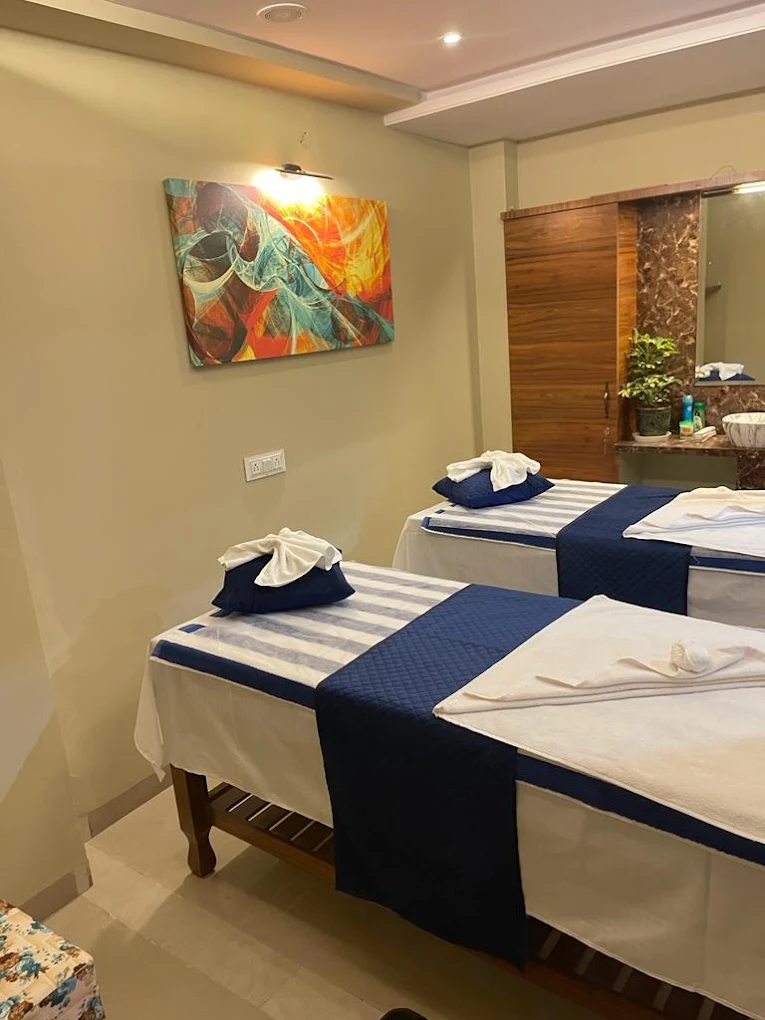
Moksham Luxury Spa

ADDITIONAL SERVICES

Steam :

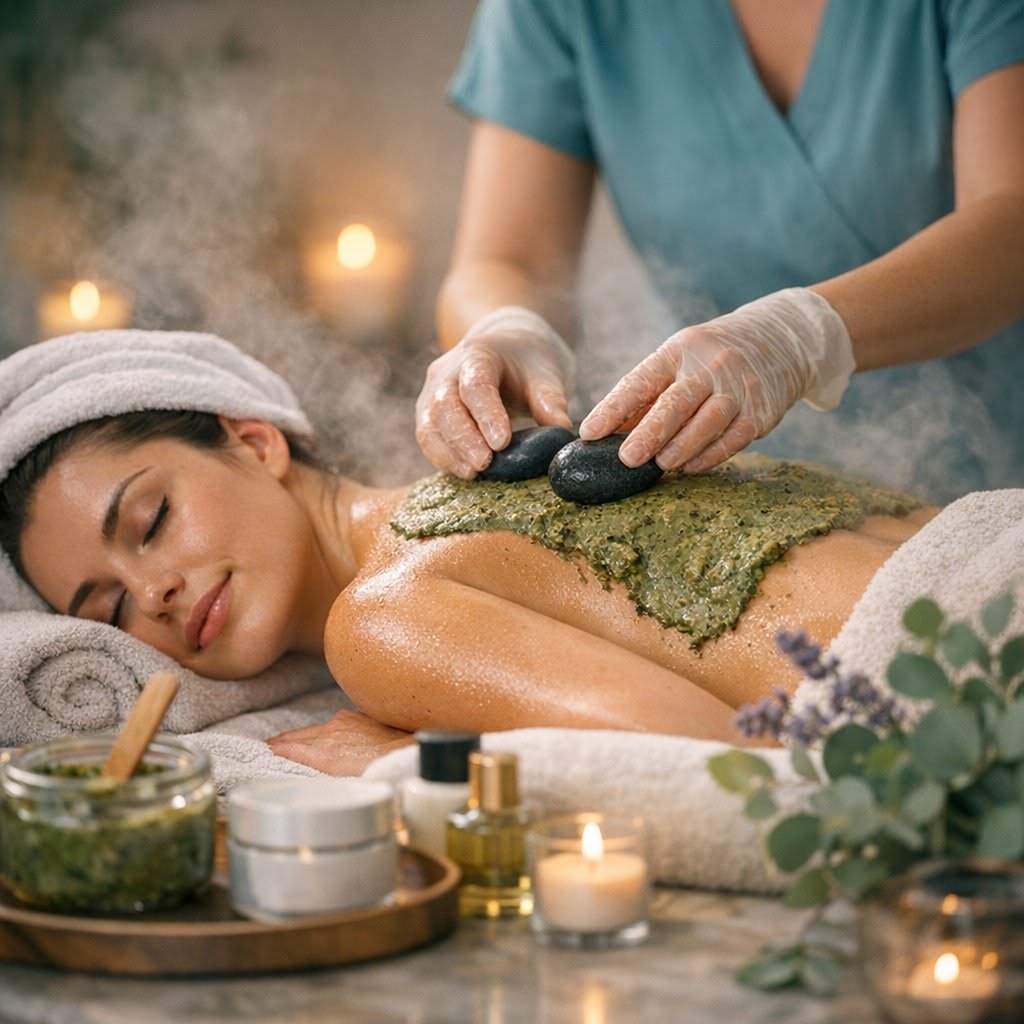
Steam is a common component of many skincare treatments, including facials, spa therapies, and at-home skincare routines. It involves the use of warm, moist air or steam to help open up the pores, soften the skin, and facilitate the removal of impurities and debris. Here’s an overview of how steam is used in skincare:

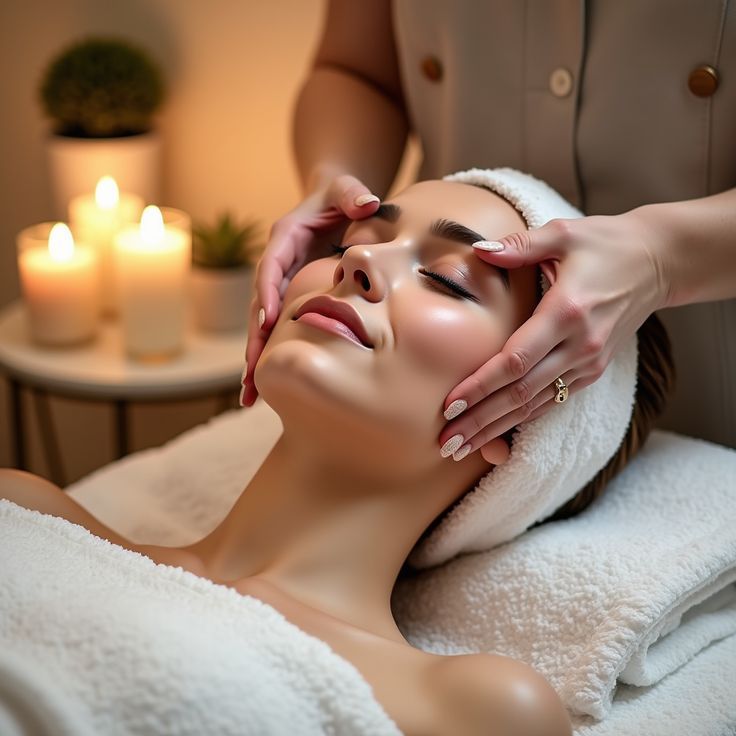
  1. Facials: Steam is often incorporated into professional facial treatments to prepare the skin for deep cleansing, exfoliation, and extractions. The warm steam helps to soften the skin’s surface and loosen debris, making it easier to remove blackheads, whiteheads, and other impurities from the pores. Steam can also improve circulation and promote relaxation, enhancing the overall effectiveness of the facial treatment.

  2. At-Home Treatments: Many people use steam as part of their at-home skincare routine to cleanse and purify the skin. This can be done by using a facial steamer, a bowl of hot water, or by taking a steamy shower. Steam opens up the pores, allowing skincare products to penetrate more deeply and effectively. It can also help to hydrate and soften the skin, making it easier to exfoliate and remove dead skin cells.

  3. Benefits: The benefits of steam in skincare include:

    • Opening up the pores: Steam helps to soften the skin’s surface and open up the pores, making it easier to remove impurities and debris.
    • Cleansing and purifying: Steam helps to cleanse the skin by loosening dirt, oil, and dead skin cells from the pores.
    • Hydration: Steam helps to hydrate the skin by increasing moisture levels and improving skin barrier function.
    • Relaxation: The warmth and steam can promote relaxation and reduce stress, creating a spa-like experience at home or during professional treatments.
  4. Precautions: While steam can be beneficial for most skin types, it’s important to use caution to avoid potential side effects. Excessive or prolonged exposure to steam can cause irritation, redness, or dehydration, especially for those with sensitive or dry skin. It’s essential to monitor the temperature and duration of steam exposure and to follow up with appropriate skincare products to replenish moisture and protect the skin.

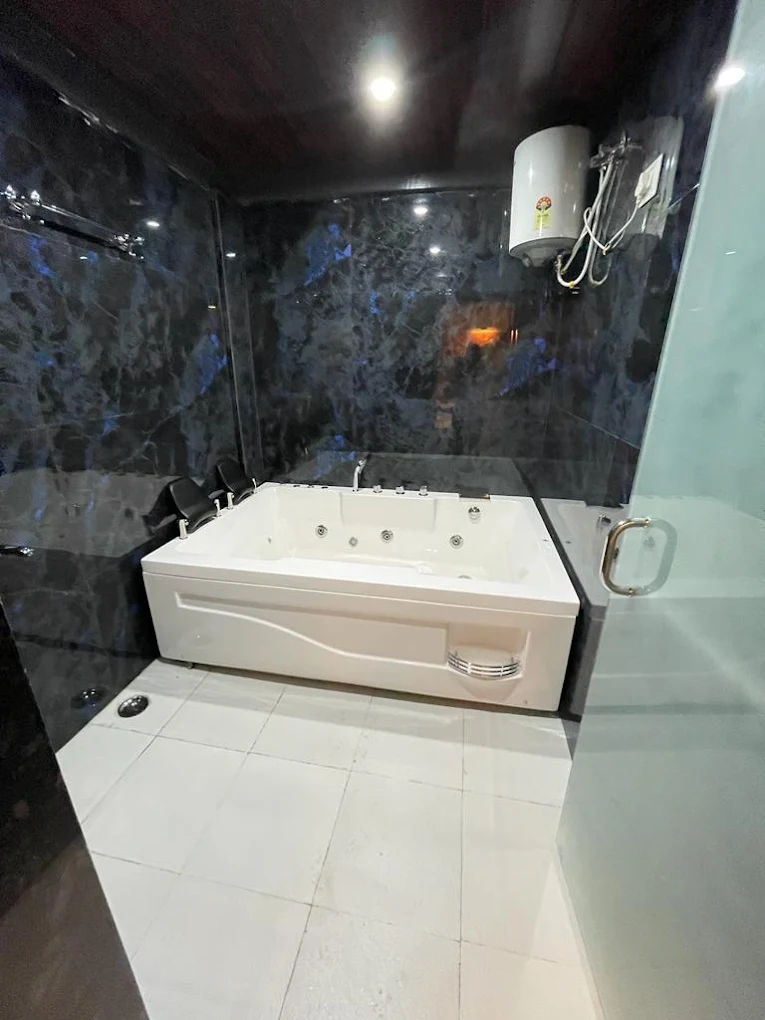
Jacuzzi Bath :

A Jacuzzi bath, also known as a whirlpool bath or jetted tub, is a type of bathtub equipped with jets that release pressurized water or air to create a massaging effect. These baths are designed to provide a luxurious and therapeutic bathing experience, offering relaxation, stress relief, and muscle relaxation. Here’s an overview of Jacuzzi baths:

  1. Jets: The defining feature of a Jacuzzi bath is its jets, which are strategically placed around the tub to target different areas of the body. These jets release pressurized streams of water or air, creating a massaging sensation that helps to soothe sore muscles, relieve tension, and promote relaxation.

  2. Hydrotherapy: Jacuzzi baths are often used for hydrotherapy, a form of therapeutic treatment that involves the use of water for pain relief and relaxation. The combination of warm water and massaging jets can help to improve circulation, reduce inflammation, and alleviate muscle and joint pain.

  3. Features: Jacuzzi baths may come with various features to enhance the bathing experience, such as adjustable jets, variable speed settings, built-in heaters, and chromotherapy lights. Some models also offer additional features like aromatherapy, where essential oils can be added to the bathwater to create a spa-like ambiance and promote relaxation.

  4. Installation: Jacuzzi baths can be installed as freestanding units or built into the bathroom as drop-in or alcove models. They require access to electricity and plumbing to operate the jets and may need professional installation to ensure proper setup and functionality.

  5. Maintenance: Proper maintenance is essential to keep a Jacuzzi bath clean and in good working condition. Regular cleaning of the tub and jets is necessary to prevent the buildup of mold, mildew, and bacteria. It’s also important to follow manufacturer guidelines for water treatment and filter replacement to ensure optimal performance.

  6. Benefits: The benefits of using a Jacuzzi bath include:

    • Relaxation and stress relief: The massaging jets and warm water help to relax tense muscles and promote a sense of calm and well-being.
    • Muscle and joint relief: Hydrotherapy can help to alleviate muscle soreness, joint pain, and stiffness, making it beneficial for those with arthritis, fibromyalgia, or other musculoskeletal conditions.
    • Improved circulation: The combination of warm water and hydrotherapy jets can help to improve blood flow and circulation, which can promote healing and reduce inflammation.
    • Enhanced skin health: Soaking in a Jacuzzi bath can help to cleanse and exfoliate the skin, leaving it feeling soft, smooth, and rejuvenated.

Manicure :

A manicure is a cosmetic beauty treatment for the hands and fingernails, typically performed at a salon or spa, although it can also be done at home. A manicure typically involves shaping, filing, and polishing the nails, as well as caring for the cuticles and moisturizing the hands. Here’s an overview of what you can expect from a professional manicure:

  1. Nail Shaping and Filing: The first step of a manicure is to shape and file the nails to the desired length and shape. The manicurist will use a nail file to gently shape the nails, ensuring that they are even and symmetrical. Common nail shapes include square, round, oval, or almond, depending on personal preference and nail health.

  2. Cuticle Care: Next, the manicurist will push back the cuticles and trim any excess skin around the nail bed. Cuticle oil or cream may be applied to soften the cuticles and promote healthy nail growth. It’s essential to be gentle during this step to avoid damaging the delicate skin around the nails.

  3. Exfoliation: Some manicures include an exfoliating treatment for the hands and forearms to remove dead skin cells and promote smooth, soft skin. This may involve the use of a scrub or exfoliating mask followed by a gentle massage to stimulate circulation and relax the muscles.

  4. Moisturizing: After exfoliation, the hands and forearms are moisturized using a hydrating lotion or cream. The manicurist will massage the moisturizer into the skin, focusing on areas of dryness or roughness to promote hydration and nourishment.

  5. Polishing: The final step of a manicure is to apply nail polish to the nails. This may involve applying a base coat to protect the nails, followed by one or more coats of colored polish, and finishing with a top coat to seal and protect the color. The manicurist will use precise brush strokes to apply the polish evenly and neatly, creating a professional-looking finish.

  6. Optional Extras: Depending on the salon or spa, there may be additional options available to customize your manicure experience. This could include nail art, gel polish application, paraffin wax treatments, or hand masks for added hydration and pampering.

Pedicure :

A manicure is a cosmetic beauty treatment for the hands and fingernails, typically performed at a salon or spa, although it can also be done at home. A manicure typically involves shaping, filing, and polishing the nails, as well as caring for the cuticles and moisturizing the hands. Here’s an overview of what you can expect from a professional manicure:

  1. Nail Shaping and Filing: The first step of a manicure is to shape and file the nails to the desired length and shape. The manicurist will use a nail file to gently shape the nails, ensuring that they are even and symmetrical. Common nail shapes include square, round, oval, or almond, depending on personal preference and nail health.

  2. Cuticle Care: Next, the manicurist will push back the cuticles and trim any excess skin around the nail bed. Cuticle oil or cream may be applied to soften the cuticles and promote healthy nail growth. It’s essential to be gentle during this step to avoid damaging the delicate skin around the nails.

  3. Exfoliation: Some manicures include an exfoliating treatment for the hands and forearms to remove dead skin cells and promote smooth, soft skin. This may involve the use of a scrub or exfoliating mask followed by a gentle massage to stimulate circulation and relax the muscles.

  4. Moisturizing: After exfoliation, the hands and forearms are moisturized using a hydrating lotion or cream. The manicurist will massage the moisturizer into the skin, focusing on areas of dryness or roughness to promote hydration and nourishment.

  5. Polishing: The final step of a manicure is to apply nail polish to the nails. This may involve applying a base coat to protect the nails, followed by one or more coats of colored polish, and finishing with a top coat to seal and protect the color. The manicurist will use precise brush strokes to apply the polish evenly and neatly, creating a professional-looking finish.

  6. Optional Extras: Depending on the salon or spa, there may be additional options available to customize your manicure experience. This could include nail art, gel polish application, paraffin wax treatments, or hand masks for added hydration and pampering.